
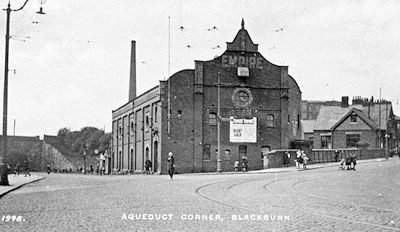
The 1940s and 1950s were decades of huge change for the Empire Theatre – and by the end of them, a new rival was beginning to challenge cinemas across Britain.
In 1946, after the war, the Empire was sold to the Northern Theatre Company for £13,000 – around £500,000 in today’s money.
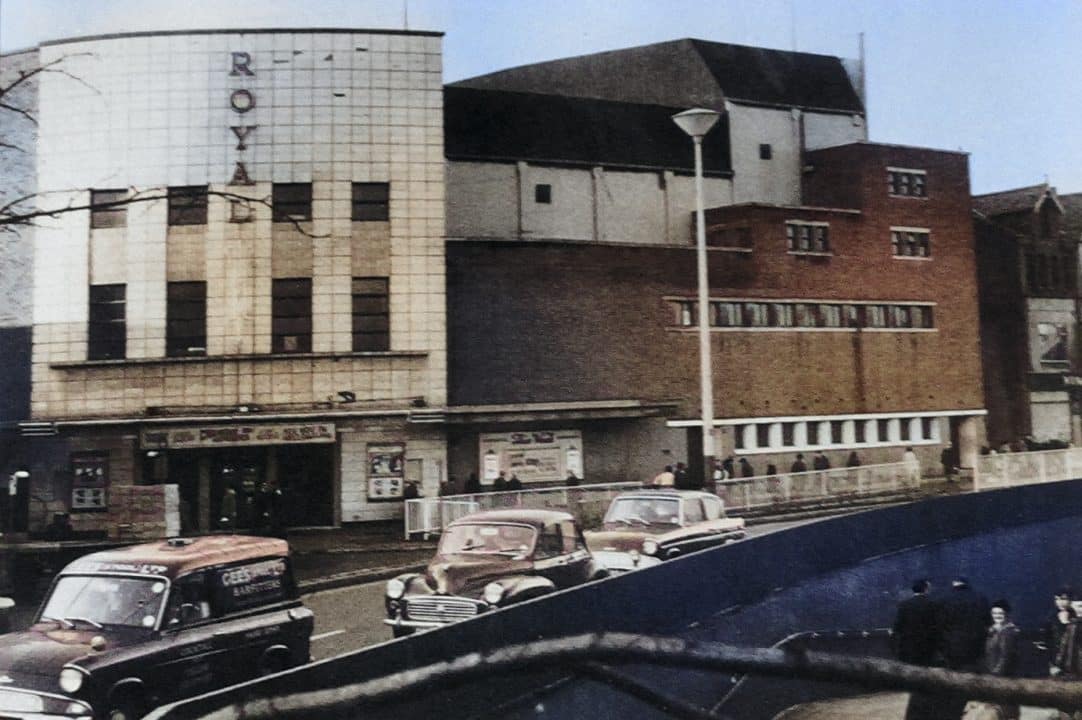
The company already owned Blackburn’s Cinema Royal and put Joseph Thompson in charge of both venues. At the time, Northern Theatre Company was enjoying considerable success, operating a chain of nine cinemas across the North.
But while cinema remained enormously popular, something was beginning to change in British homes.
Television was arriving.
The Coronation of Queen Elizabeth II in 1953 helped fuel a huge increase in television ownership, as families gathered around their new sets to watch one of the biggest national events of the decade.
For cinemas, it marked the beginning of a new battle for audiences.
In 1957, the Northern Theatre Company became part of Essoldo, the nationwide cinema chain which would eventually become Britain’s third largest.
The unusual name came from founder Solomon Sheckman, who created “Essoldo” by combining the first names of members of his family.
St Trinian’s comes to the Empire
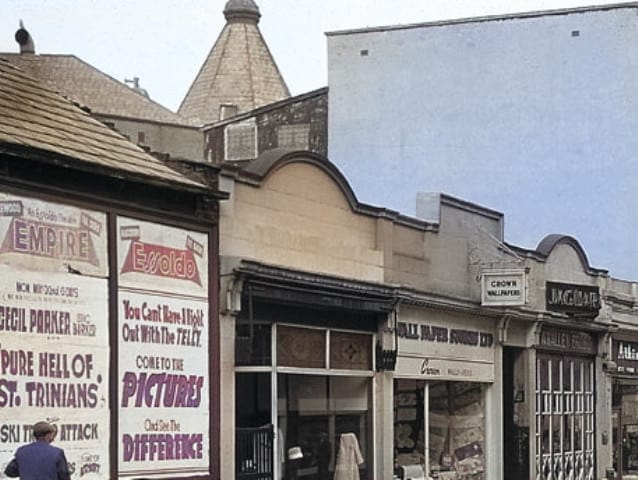
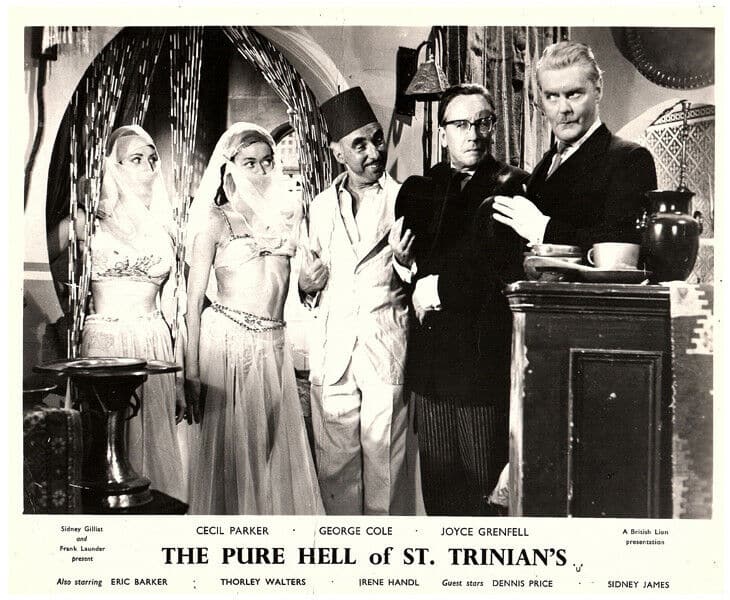
By 1960, Blackburn audiences could see The Pure Hell of St. Trinian’s at the Empire.
The film boasted a cast packed with familiar names, including Cecil Parker, Joyce Grenfell, George Cole, Eric Barker, Thorley Walters and Sid James.
The anarchic St Trinian’s films had already proved hugely popular with cinema audiences, although critics were divided over this instalment.
Variety described it as “well up to standard”, while Time Out found some bright moments but felt the writers were beginning to run short of inspiration.
Whatever the critics thought, it gives us a fascinating snapshot of what audiences were watching at the Empire more than 65 years ago.
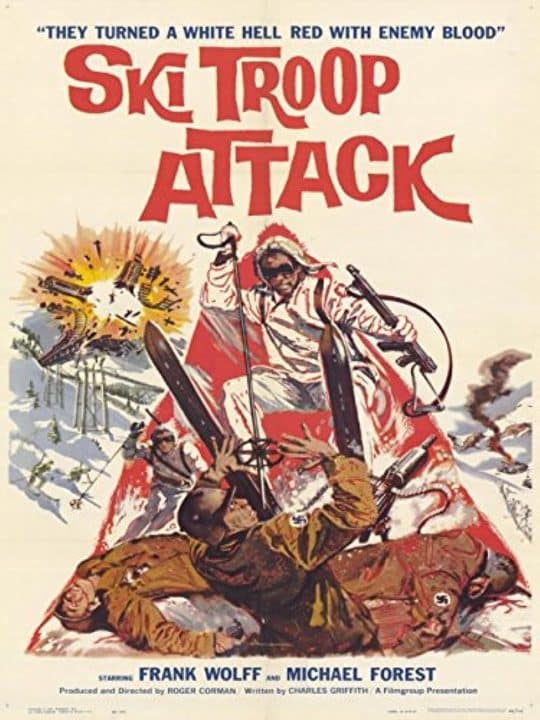
Also appearing was the rather less well remembered Ski Troop Attack.
The wartime adventure followed an American patrol travelling behind enemy lines on skis with a mission to destroy a strategically important railway bridge.
Its publicity certainly did not hold back, promising audiences a film that would turn a “white hell” red with enemy blood.
Cinema versus the television
Perhaps the most interesting part of this glimpse into 1960 is not just what was showing at the Empire, but what cinemas were having to compete against.
The television set was becoming an increasingly familiar sight in British living rooms.
Suddenly, people no longer had to leave home to be entertained.
Cinema advertising from the period responded by reminding audiences that an evening sitting at home in front of the television simply could not compare with a night out at the pictures.
The message was simple – get out of the house, experience the big screen and enjoy something television could not reproduce.
More than six decades later, that argument sounds surprisingly familiar.
Today the choice might be between streaming something at home or heading out for a night of live entertainment, but the idea remains much the same.
There is something different about sharing an experience with an audience.
For the Empire, what happened on the stage or screen would change many times over the decades, but bringing people together for a night out would remain at the heart of the building.
These archive photographs offer another fascinating glimpse into that changing world – from the Cinema Royal & to the films being advertised at the Empire on Town Hall Street as television began transforming the way Britain entertained itself.
Do you remember Blackburn’s old cinemas, or have your parents or grandparents ever told you stories about going to the pictures in the town? We’d love to hear your memories.
Pictures in this archive include the Cinema Royal, an Essoldo advertisement on Town Hall Street, an image from The Pure Hell of St. Trinian’s and a poster for Ski Troop Attack.